

The EdITS Blog
The latest news & research on career guidance
Categories
Search all blog posts by category, tag, or title.
Featured



















The EdITS Blog
The latest news & research on career guidance
Search all blog posts by category, tag, or title.
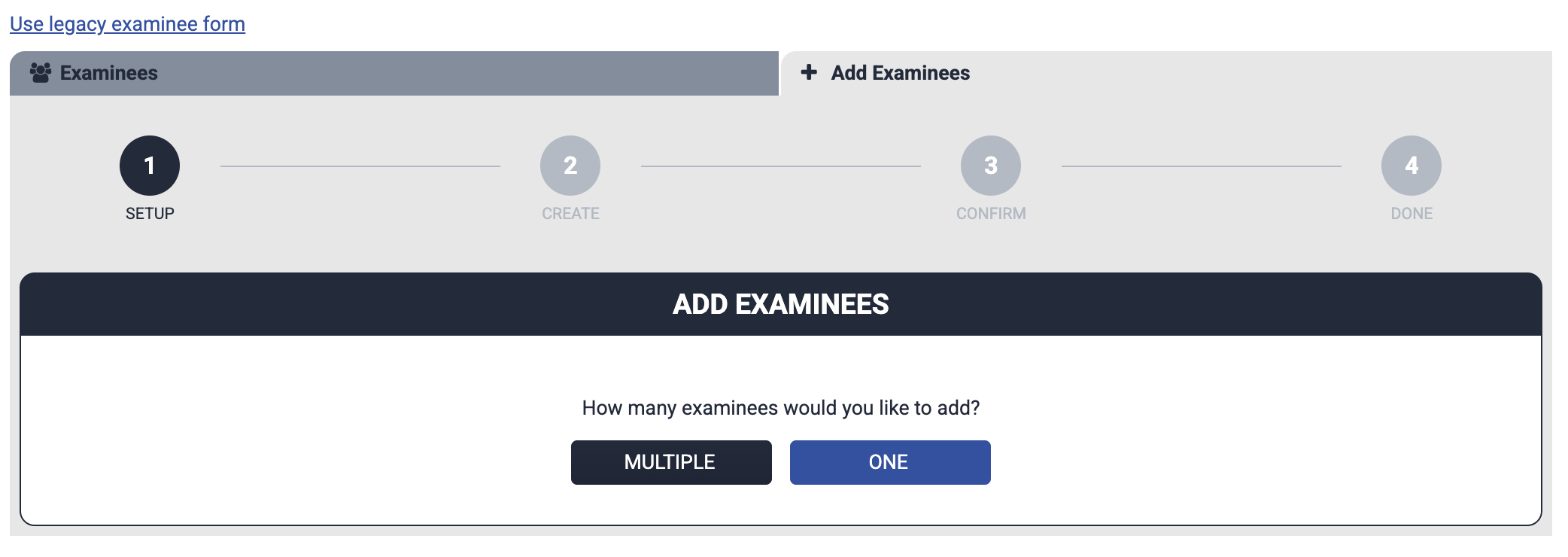
We have been hard at work on some under-the-hood changes to the EdITS Assessment Platform, and are excited to announce a refreshed system for adding examinees! Instead of multiple tabs for different methods of adding examinees, we have consolidated everything into an all-inclusive “wizard” that walks you through the entire process.
Norms for the COPSystem VIA are based on data gathered from 2023 through 2024 from a sample of individuals spanning from 7th graders to college-graduate adults. Our broad national sample includes subjects from the four main geographic regions of the United States (as identified by the 2020 U.S. Census Report).
We are excited to present the largest structural change to the printed CAPS Abilities assessment of the last 20 years: each subtest is now printed on standard paper!
The Needs Assessment Survey for the COPSystem VIA consists of a series of yes/no questions where examinees are asked to self-report by selecting any areas where they feel the need for self-improvement.
Norms for the COPSystem VIA are based on data gathered from 2019 through 2022 for a sample of individuals with education levels spanning from grade seven through college. This national sample was aggregated based on a population of subjects from four geographic regions of the U.S. identified by the 2020 U.S. Census Report.
Each of the eight CAPS ability battery subtests are administered with a strict five-minute time limit. The time limit adds an extra dimension to how the CAPS is interpreted- not only is it an assessment of a test-taker’s abilities in each category, but also a measure of how well a test-taker can process information in a quick and accurate manner.
Norms for the COPSystem VIA are based on data gathered from 2015 through 2018 for a sample of 32,638 sixth through twelfth grade educational levels.
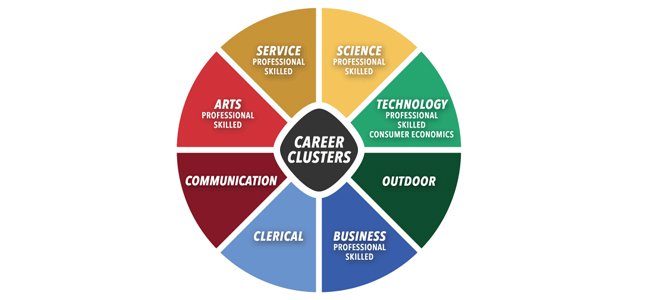
A career guidance assessment program is a valuable way to increase self-awareness and professional competence among students and working adults. The COPSystem consists of the COPS Interest Inventory, the CAPS ability battery, and the COPES work values survey.
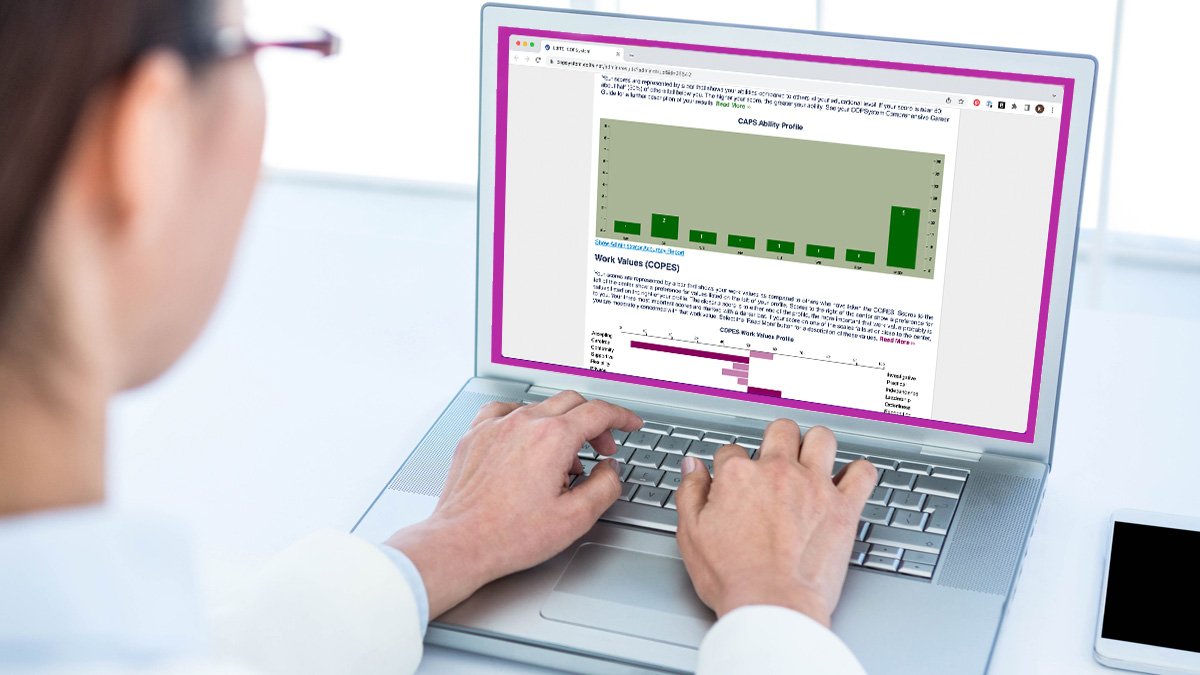
During the past year we have all had to adjust the new norm of remote working. One of those big adjustments is how to proctor in a remote testing situation. The online version of the COPSystem VIA can easily be adapted to fit this need. Our recommendation is to use a conferencing application so that you can view the testing process while communicating with your clients.
The COPSystem VIA results are used in a wide variety of settings with many diverse populations such as students in school, college students deciding on majors, adults in transition, vocational rehab clients, and military personnel in transition. The results are an excellent tool to use for all of these populations.
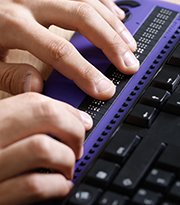
EdITS has adapted the COPSystem career guidance program to be accessible to individuals using a screen reader.
In an effort to provide longitudinal validity data for the COPSystem assessments, the COPS Interest Inventory was used to determine the stability of students’ interests from the eighth to the twelfth grade. The effectiveness of career exploration classes in high school was also examined.
The COPS-P System is a career awareness program consisting of three measures: Professional Interests (COPS-P), abilities (CAPS), and work values (COPES).
Correlations of inventories such as the COPS-P with other similar inventories provides information concerning the construct validity of the assessments. This technique is especially useful when developing and implementing new and/or alternative instruments.
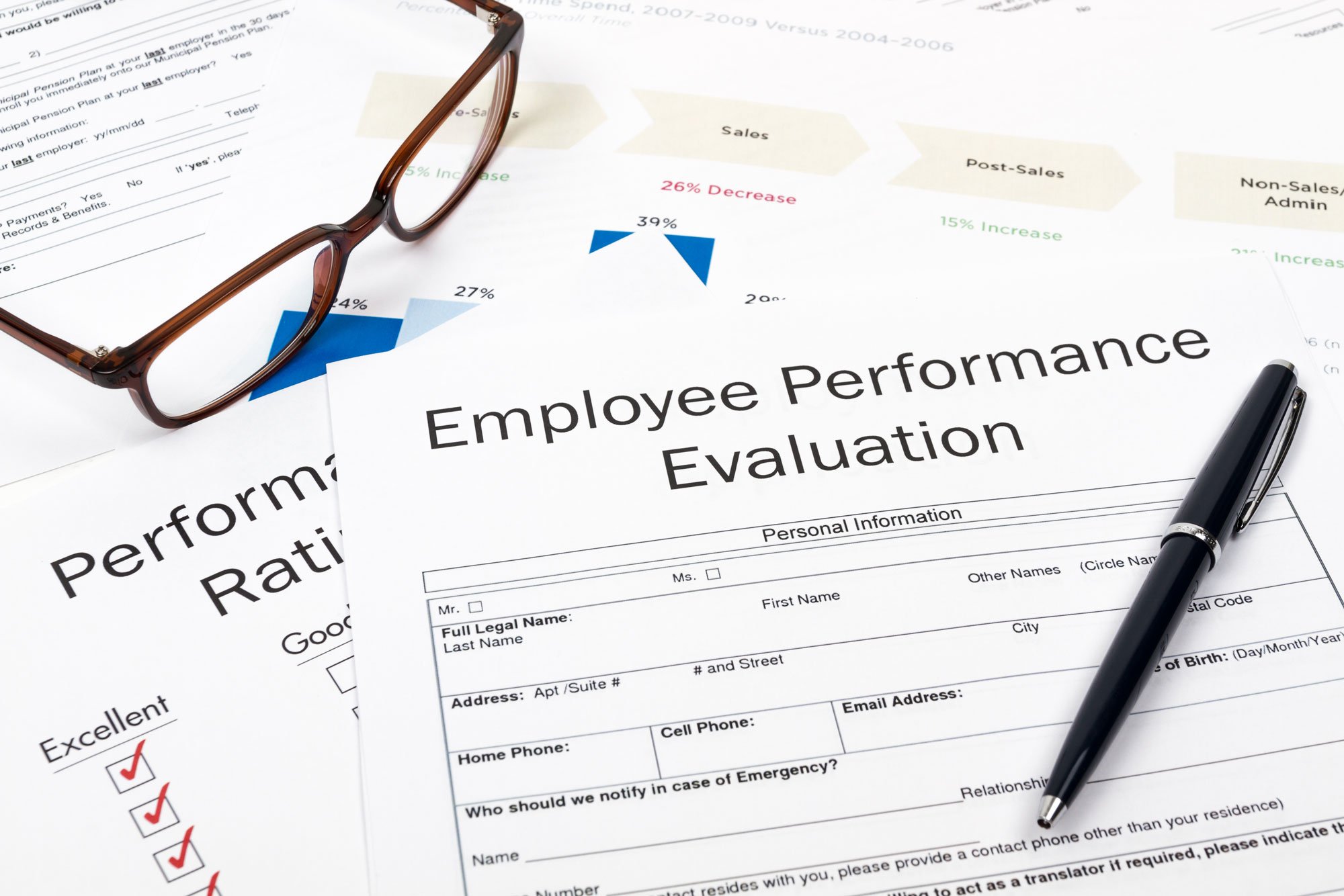
One of the main reason’s companies use aptitude testing is to make better hiring and promotion decisions. Tests are often much better than interviews in predicting whether a person has the potential to do a job well.
One of the benefits of using the complete COPSystem VIA is that you have full access to all of your scores to use in comprehensive career exploration.
Employees in most industries are required to adapt to new technology and must be trained in a variety of tasks that may extend outside their formal role, or job description. For this purpose, the CAPS functions as an efficient and comprehensive training and development tool for Human Resources.
When individuals make a list of some of the important aspects of career selection they often take into account interests and job skills or abilities but overlook work values.
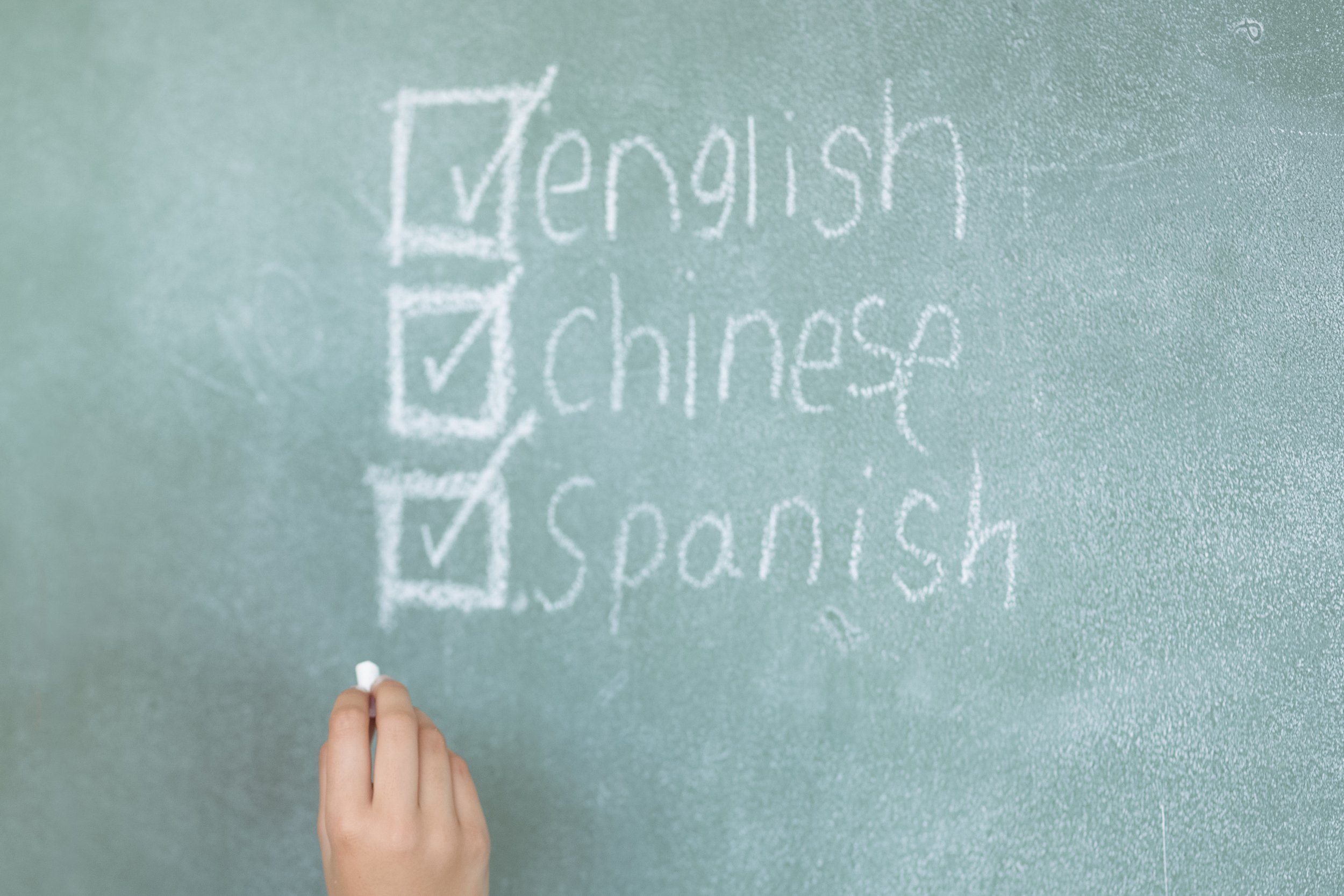
EdITS now has translations of directions for some of its more popular career assessments in several languages.
The COPS Picture Inventory of Careers (COPS-PIC) norms are based on 1,930 students in grades 6-12 from across the United States.
We are excited to announce that the new version of the EdITS Assessment Platform (EAP) launched on March 14, 2019. We enhanced the user interface and added new features that make it easier to use.
We are excited to announce an updated version of the EdITS Assessment Platform (EAP) launching on March 14, 2019.
The Dimensions Of Self-Concept (DOSC) is an inventory designed to measure self-concept in the school setting. In the past few years the DOSC has been translated into Chinese, Korean, Japanese and Portuguese. The validity and reliability of the DOSC has been examined across four cultures in a series of six studies. The authors confirmed the validity of the five DOSC scales across cultures.
Many U.S. school districts are structuring their secondary schools around career pathways and emphasizing the importance of career education for a myriad of reasons, some of which include the premise that coursework relevance helps student performance and decreases dropout rates.
Career education is important for all students and EdITS offers the Instructional Guide for Career Education kit, as part of the CERES program, to assist special needs students in acquiring skills for occupational planning.
The purpose of the Practical Handbook to Standards-Based Classrooms and The Guide for Standards-Based Classrooms is to assist teachers in their professional development activities.
Today, many students and parents are receiving direct and appropriate feedback through standards-based report card programs. This new report card system is directly aligned to the required curriculum standards and serves as a basis for monitoring student progress and conducting parent conferences.